Small Entryway Organization: 17 Ideas for a Tiny Front Hall
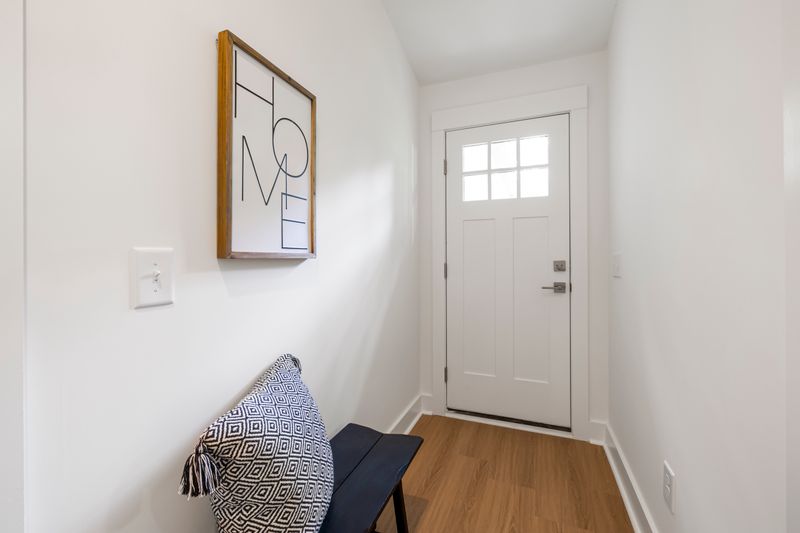
The entryway is the first three feet of your home, and in a small apartment it's usually a sliver of wall between the door and the living room — no closet, no coat rack, no mudroom bench, just a spot where shoes pile up and keys go to disappear. It's the hardest-working square footage you own and the least designed. Every day it absorbs coats, bags, shoes, mail, keys, sunglasses, and umbrellas, and every day it hands most of that back as a pile on the floor because nothing has a home.
Organizing a tiny front hall isn't about buying more furniture — there's no room for it. It's about building a coat closet on the wall: hooks at eye level for coats and bags, a slim rack or bench at the floor for shoes, and a small catch-all at hand height for keys and mail. Do that and a strip of wall barely wider than the door does the job of a closet you don't have. The seventeen ideas below are ordered the way you'd actually set the zone up — plan the drop zone first, then hooks and coats, then shoes, then the keys-and-mail catch-all, then the finishing surfaces. Fourteen are specific products with strong organic review histories on Amazon in 2026; the other three are free technique. Work through them in order and your front hall stops being the messiest spot in the house.
Working with a whole small apartment, not just the door? See our small apartment organization guide →
Start here: plan the drop zone (1–2)
1. Map the drop zone before you buy anything
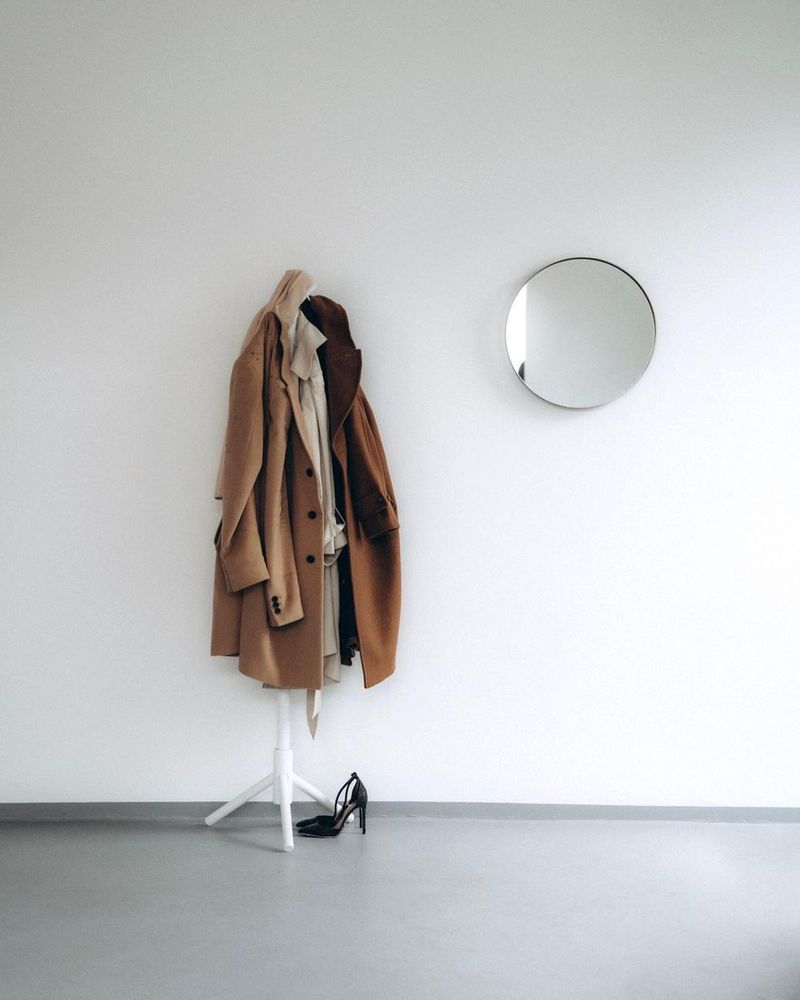
Stand in your doorway and watch what your hands do for a week. Coats come off first, then shoes, then keys and mail get set down somewhere. Those are your zones, and they want to live in that order — coats and bags up high where you shrug them off, shoes at the floor, keys and mail at hand height near the door. Before you buy a single hook, mark roughly where each zone should sit on the wall so you're not drilling twice. This costs nothing and it's the difference between a system that matches how you actually move and a pile of organizers that fight your habits.
2. Go vertical — claim the wall, not the floor
In a tiny entryway the floor is the one thing you can't spare; step on it wrong and the whole hall feels blocked. The wall runs from baseboard to ceiling and is almost entirely empty. Every idea that follows leans on that: hooks and rails climb the wall, shelves float above head height, over-the-door pockets use the door itself, and only the shoes and a slim bench touch the floor. Think of the wall as vertical shelving you already own for free, and the entryway suddenly has room for everything.
Hooks and coats (3–6)
3. Wall hooks with a built-in shelf
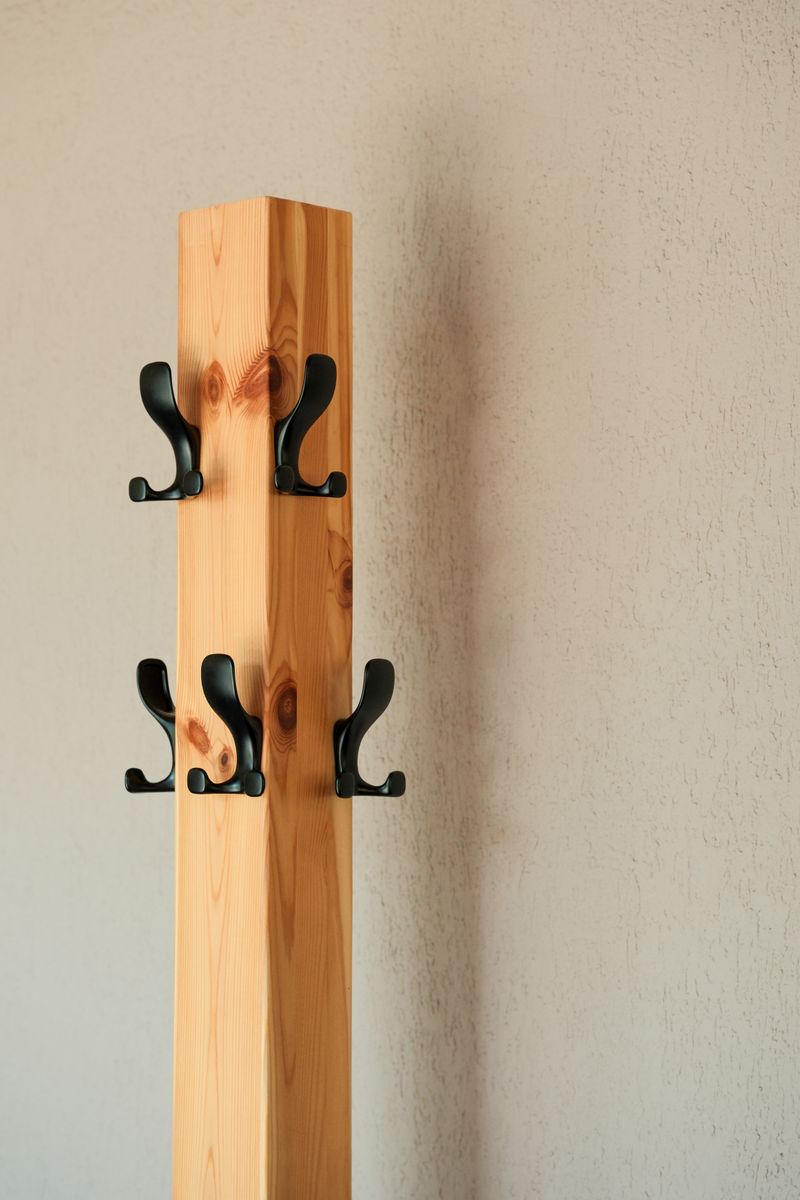
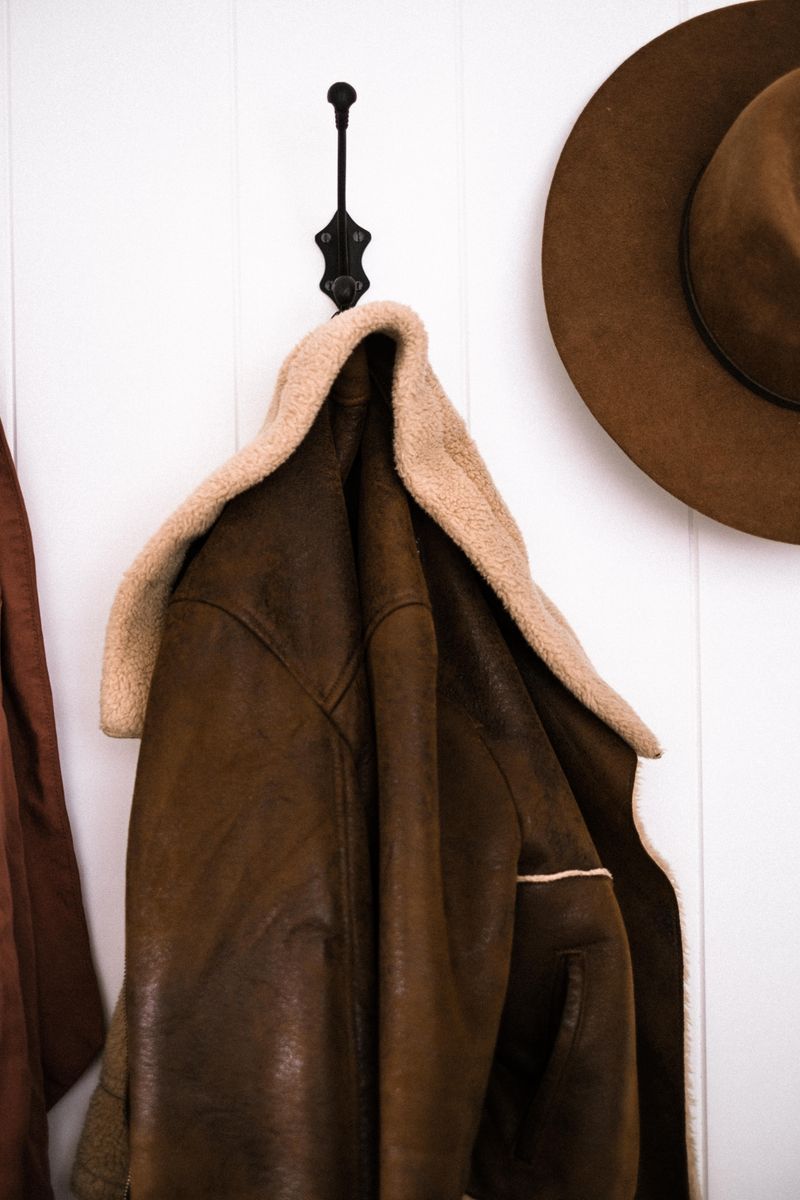
The single most useful thing you can hang in an entryway is a hook rack with a shelf on top, because it solves two zones in one board. The hooks below take coats, bags, dog leashes, and hats; the shelf above holds keys, mail, sunglasses, or a small plant so the floor and every flat surface stay clear. A wood-and-metal rack like this mounts to a couple of studs and carries a surprising load, and because it stacks storage vertically it fits a strip of wall too narrow for any furniture. Hang it at shoulder height so coats clear the floor. See it on Amazon →
4. A hook rail for the whole household
When more than one person comes through the same door, a single decorative hook isn't enough — you need a rail. A wall-mounted coat rack with a row of sturdy hooks gives everyone an assigned spot, which is the trick that keeps coats and bags off chair backs and the floor. Mount one at adult height and, if you have kids, a second lower down so small people can hang their own things. It's a cheap, low-profile strip of metal that turns a bare wall into a family drop station without stealing an inch of floor. See it on Amazon →
5. Damage-free adhesive hooks for renters
If you rent and can't drill, a strip of strong adhesive hooks gives you the whole hooks-on-the-wall system with nothing but peel-and-stick backing. They hold coats, bags, umbrellas, and keys, and when you move they come off cleanly without gouging the paint or costing your deposit. Buy the large-utility size rather than the tiny ones so they carry a loaded tote, press them onto a clean wall, and wait the full hour before loading them. For a renter this is the difference between a bare entryway and a fully hung one. See it on Amazon →
6. A freestanding coat rack when you can't touch the wall
Some entryways have no good wall to mount to — a door on one side, a window on the other, nothing but a corner. A freestanding coat rack or hall tree solves that by standing in the corner and carrying coats on its hooks and hats or bags on its shelves, no drilling required. Look for one with a weighted or wide base so a heavy coat doesn't tip it, and put it in the corner where it uses dead space no furniture would fit. It's the most flexible hanging option because you can move it the day you rearrange. See it on Amazon →
Tame the shoes (7–10)
7. A slim vertical shoe rack
Shoes are what actually clutters an entryway floor, and the fix is a narrow multi-tier rack that stacks a week's worth vertically instead of letting them sprawl. A slim adjustable rack tucks against the wall, holds several pairs per tier, and keeps everything visible so you grab the right shoes without digging. The adjustable shelves let you set the spacing for boots on one tier and flats on another. Cap it at the shoes you actually wear this week and send the rest to a closet, and this one rack keeps the floor clear for good. See it on Amazon →
8. A storage bench you can sit on
If you have floor space for one piece of furniture, make it a shoe-storage bench, because it earns its footprint three times over. The seat gives you somewhere to sit and pull boots on, the cubbies or bins underneath park several pairs of shoes, and the top surface holds a basket for gloves and scarves. A bench with a padded seat and a few doors turns the awkward act of balancing on one foot in a cramped hall into a two-second sit-down. It's the closest a small entryway gets to a real mudroom. See it on Amazon →
9. A boot tray for wet and dirty shoes
Wet boots and muddy sneakers are how the entryway mess spreads into the rest of the house. A heavy rubber boot tray with a raised lip catches the drips, mud, and melting snow in one wipe-clean spot so the floor stays dry and the dirt never travels past the door. Set it right where shoes come off, under the rack or bench, and make it the rule that anything wet lands there. At under twenty dollars it protects your floors through every rainy and snowy season and cleans up with a quick rinse. See it on Amazon →
10. An over-the-door shoe organizer
When there's genuinely no floor to spare, hang the shoes on the back of the door. An over-the-door organizer with two dozen pockets holds a full household's shoes — or, just as usefully, gloves, hats, sunscreen, dog supplies, and all the small stuff that has no drawer near the door. It hooks over the top of the door with nothing mounted, the clear or mesh pockets keep everything visible, and it disappears the moment the door swings open. For a closet-less entryway this is the highest-capacity storage per dollar you can buy. See it on Amazon →
Catch the keys, mail, and small stuff (11–13)
11. A wall-mounted key and mail holder
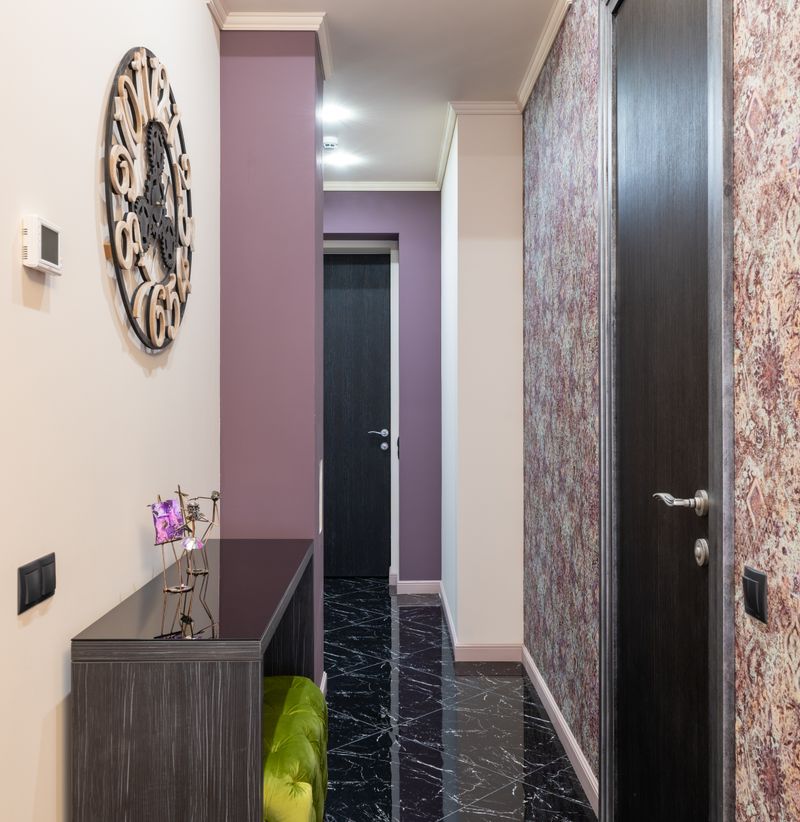
Keys and mail cause more entryway chaos than their size suggests, because without a home they land on every surface and one of them is always lost. A wall-mounted holder with hooks for keys and a slot or small drawer for mail fixes both in one board mounted right by the door. Keys go on the same hook every time so you never hunt for them on the way out, and the day's mail drops into the slot instead of migrating to the kitchen counter. Hang it at hand height where your keys naturally land. See it on Amazon →
12. Matching baskets for the daily catch-all
Every entryway generates loose stuff that fits no category — gloves, chargers, spare masks, sunscreen, the dog's leash — and the clean fix is a few matching baskets that give it all one labeled home. A set of coordinated fabric or cube baskets sits on a shelf or bench and turns visual clutter into a tidy row, because matching containers read as organized even when they're full of odds and ends. Assign one basket per person or per category, and the daily churn that used to cover the console lands out of sight instead. See it on Amazon →
13. A cube organizer for a no-closet entryway
If your entryway has to be the coat closet, the shoe rack, and the catch-all all at once, a modular cube organizer gives you a wall of compartments to divide the job. Each cube can hold shoes, a basket of accessories, folded reusable bags, or a family member's gear, and the open grid keeps everything reachable without a door to swing. Stand it against the wall as a room divider between the entry and the living space, top it with a basket or two, and it becomes the storage backbone the entryway never had. See it on Amazon →
Surfaces and finishing touches (14–17)
14. A narrow console table with drawers
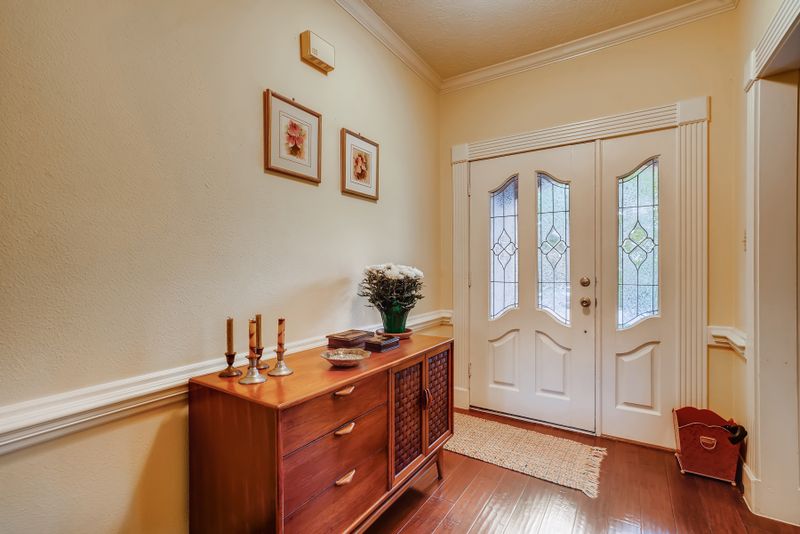
A slim console table is the entryway's version of a landing pad: a surface to set things down as you walk in, with drawers underneath to hide what shouldn't stay out. Look for one only ten to twelve inches deep so it doesn't crowd the hall, with a drawer for keys, chargers, and mail and an open shelf below for a basket or a pair of shoes. Some even build in power outlets so it doubles as a charging station. Against a bare wall it gives the entryway a real surface without the bulk of a cabinet. See it on Amazon →
15. Floating shelves above the console
The wall above a console or hook rack is prime storage that most people leave blank. A pair of floating shelves mounted there holds keys, mail, a small plant, and a dish for pocket change, lifting the everyday clutter off the surface below and up out of the way. Because they're bracket-free they read as clean lines rather than bulky furniture, which keeps a small hall feeling open. Keep the styling sparse — a plant, a frame, a catch-all dish — so they stay useful instead of becoming another surface to clear. See it on Amazon →
16. An umbrella stand by the door
A wet umbrella has to go somewhere, and leaning it against the wall means a puddle and a slip hazard. A slim umbrella stand parks it upright in the corner where it drips into the base instead of onto the floor, and doubles as a spot for a walking stick or a rolled yoga mat. Pick a narrow round or square one that tucks beside the door and out of the traffic path. It's a small thing, but on a rainy day it's the difference between a tidy entry and a slick floor. See it on Amazon →
17. The 10-second reset that keeps it all working
No entryway system survives without one small habit: reset it as you pass. Every time you walk through, take ten seconds to hang the coat that slid off, drop the keys on their hook, and line up the shoes that drifted. Because everything already has a home, the reset is genuinely seconds, not a chore — you're just returning things to spots that exist. The entryway is the highest-traffic point in your home, so a tiny nightly reset here prevents the slow pile-up that turns any organized front hall back into a heap within a week.
Save this for later
Pin this guide to your small-space and organization board so it's there on your next entryway reset.
Save to PinterestPin these ideas
Tall, save-ready images for your organization boards.


One small-space idea, every Sunday
Join and we’ll send the free small-space starter sheets right away, then one organization idea worth your time each week. No clutter — obviously.
FAQ
- How do I organize a small entryway with no closet?
- Go vertical and build the closet on the wall. A row of wall hooks or a mounted hook rail holds coats and bags at eye level, a slim shoe rack or bench parks shoes at the floor, and a small wall shelf or key-and-mail holder catches the pocket clutter. Stacked from floor to head height, those three zones do the job of a coat closet in a strip of wall barely wider than the door, which is exactly what an entryway with no closet needs.
- What are the essentials for a small entryway?
- Four things cover the daily churn: somewhere to hang coats and bags (hooks or a hook rail), somewhere to put shoes (a slim rack or a storage bench), somewhere to drop keys and mail (a wall holder or a small tray), and a boot tray to catch wet and dirty soles. Add a bench with a seat if you have the floor space, since it doubles as a spot to sit and pull shoes on. Everything else is finishing.
- Where do you put shoes in a small entryway?
- Keep only the shoes you wear this week at the door and send the rest to a closet. For the ones that stay, a slim vertical shoe rack, a storage bench with shoe cubbies, or an over-the-door pocket organizer all hold a week's worth without eating floor space. Set a boot tray underneath to corral wet and muddy soles so the floor stays clean. The trick is capping the count, not buying more storage.
- How do I make a tiny entryway look less cluttered?
- Get everything off the floor and give each category one home. Coats on hooks, shoes on a rack or in a bench, keys and mail in a wall holder, odds and ends in a couple of matching baskets. A single row of hooks looks tidy; a pile on the floor looks chaotic even when it holds the same stuff. Matching containers and a clear surface do most of the visual work, so contain first and decorate second.
- How can I organize an entryway if I rent and can't drill?
- Lean on damage-free adhesive hooks, a freestanding coat rack, and an over-the-door organizer, none of which touch the wall with a screw. Strong adhesive hooks hold coats and bags and peel off cleanly when you move, a freestanding hall tree gives you hooks and shelves with zero mounting, and over-the-door pockets hang on the door itself. Between the three you get a full entryway system that leaves your deposit intact.